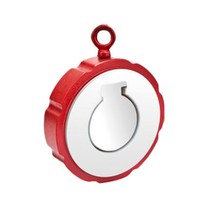
A check valve, also known as a non-return valve, is a type of valve that allows the fluids or gases to flow in one direction only. It is designed to prevent the unwanted backflow of fluids, which can damage equipment and create contamination. Check valves are widely used in various industrial and plumbing applications, such as pumps, pipelines, and wastewater treatment plants.
A backflow valve, on the other hand, is a type of valve that is specifically designed to prevent the backflow of contaminated water into the potable water system. It has a spring-loaded mechanism to allow the water to flow in one direction only, but stops it from flowing in the opposite direction. Backflow valves are commonly used in plumbing systems to prevent cross-connections and contamination of the drinking water.
There are different types of backflow valves, including pressure vacuum breakers, double check valves, and reduced pressure zone devices. Each of them operates differently and is used in different applications. Pressure vacuum breakers are often used in residential irrigation systems, while double check valves are commonly used in commercial and industrial applications. Reduced pressure zone devices are typically used in high-risk applications, such as chemical plants or hospitals.
1. Direction of Flow
2. Mechanism
Check valves use a swinging door, ball, piston, or diaphragm to regulate the flow, while backflow valves use a spring-loaded mechanism to prevent the flow from reversing.
3. Placement
Check valves are typically installed in pipes or equipment to prevent backflow, while backflow valves are installed in plumbing systems to prevent cross-connections.
4. Application